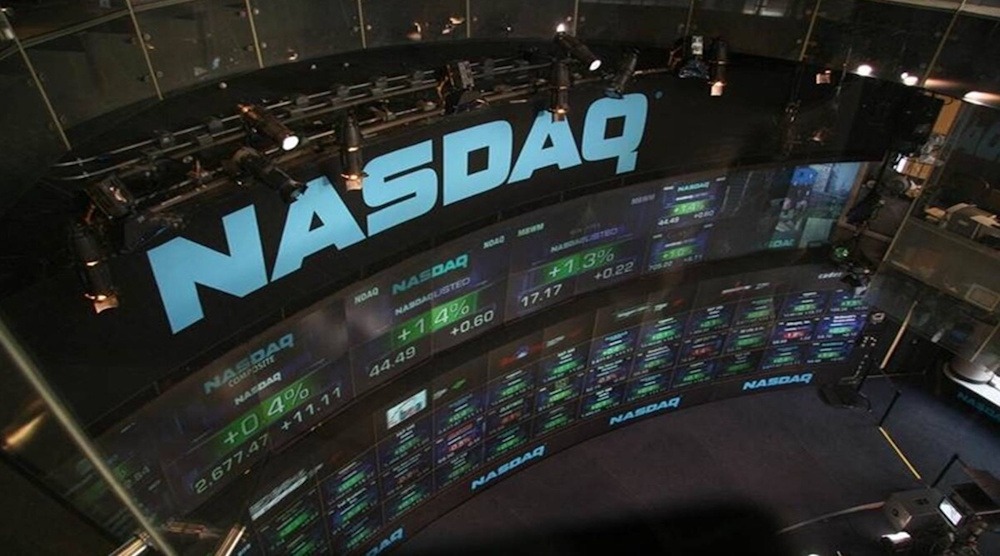
Tech stocks experienced a notable decline on Friday, following a robust jobs report that accelerated the sell-off in AI stocks initiated the previous day. The Nasdaq Composite experienced a decline exceeding 4%, marking its most significant daily drop since the “Liberation Day” of last April. The market’s most significant gainers thus far this year were, conversely, the largest decliners on Friday. Shares of chipmaker Marvell experienced a notable decline of 17% following a significant increase on Tuesday, which was prompted by a mention from Nvidia CEO Jensen Huang. Sandisk and Micron—up a respective 670% and 280% year-to-date earlier this week—tumbled more than 11%. Chip giants Nvidia and Broadcom, with a combined market value of nearly $7 trillion, dropped 6% and 8%, respectively.
While the tech rout was exacerbated on Friday by interest rate concerns, many market observers remained optimistic about the sell-off. “It appears to be a case of profit-taking in the semiconductors,” wrote analysts on Friday. Semiconductor stocks have experienced significant gains this year, driven by robust demand for chips from AI data centers. The PHLX Semiconductor Index experienced a decline of 10% on Friday; however, it remains up 70% year-to-date. Gains in chip stocks have ignited discussions regarding the extent to which Big Tech’s expenditures on data centers are contributing to an AI bubble. Bears express scepticism regarding the ability of tech giants to recover their investments, which amount to hundreds of billions in AI. This excessive optimism appears to be fuelling a speculative frenzy reminiscent of the Dotcom Bubble.
Bulls anticipate that an AI productivity surge will maintain the demand for computing capacity. “I think if we’re in a bubble, we’re still early stages,” Warren Pies stated. According to Pies, six stocks in the Nasdaq 100 have experienced an increase exceeding 400% over the past year, contrasting sharply with the peak of the Dotcom Bubble when that number was 22. “I believe there is an excess of pessimism and concern at this juncture,” Pies stated. The metrics do not support this assertion. Investment in AI infrastructure played a crucial role in establishing the first quarter as the most robust period for corporate profits in the S&P 500 in years. Furthermore, major technology companies have indicated that they intend to maintain their current level of spending in the foreseeable future.
Pies anticipates that expenditure will ultimately restore tech stocks to a position of dominance. “We’re heading higher later this year, [and] it’s gonna have to be tech-led,” he stated. “These rotations will be temporary.” The upcoming evaluation of Wall Street’s appetite for technology equities may occur late next week, as Elon Musk’s SpaceX is poised to enter the markets with what could be the largest initial public offering in history. Its debut may establish the framework for two additional significant IPOs anticipated later this year from frontier AI laboratories Anthropic and OpenAI.