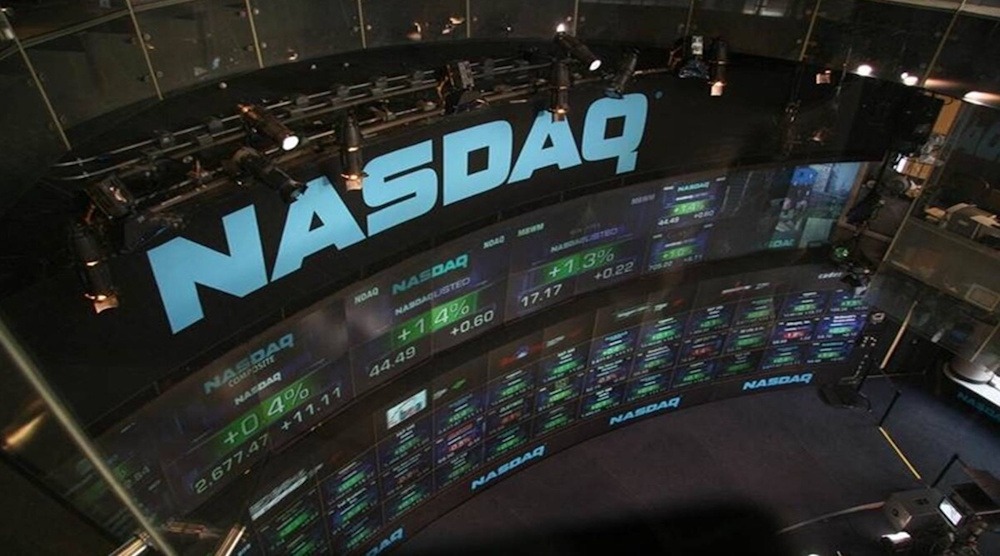
Nasdaq index futures experienced a significant increase early Monday following the confirmation from Washington and Tehran regarding a preliminary peace agreement aimed at concluding their conflict and restoring vital shipping routes in the Middle East. S&P 500 Futures increased by 89 points, representing a rise of 1.2%, as of 05:56. Nasdaq 100 Futures experienced a significant increase of 582 points, representing a rise of 2%, whereas Dow Jones Futures rose by 418 points, equating to 0.8%. Wall Street appeared poised for a robust opening on Monday, following encouraging, technology-driven rallies in both European and Asian markets. The primary indices experienced gains to conclude the previous week, supported by optimism surrounding a potential agreement between Washington and Tehran, alongside a surge in SpaceX shares following their record-setting public debut. Even as some experts highlighted concerns regarding SpaceX’s fundamentals, the stock surged past its IPO price of $135 a share, assigning Elon Musk’s reusable rocket company a valuation exceeding $2 trillion and positioning it among the largest publicly listed firms in the U.S.
Other space-industry names, such as Rocket Lab and Planet Labs, experienced a surge following the flotation. The U.S. and Iran have come to an interim peace agreement that aims to conclude a conflict lasting over three months, which has posed risks to the global economy along the way. A memorandum of understanding is set to be signed in Switzerland on Friday, as reported by Pakistan, which has often played the role of mediator during the ongoing conflict. Pakistani Prime Minister Shehbaz Sharif stated that the two nations have “declared the immediate and permanent termination of military operations on all fronts.” That includes Lebanon, Sharif stated. Concerns had emerged regarding the outlook for the deal following U.S.-allied Israel’s attacks on Iran-backed Hezbollah militia in Lebanon over the weekend. This situation prompted a strong rebuke of Israeli Prime Minister Benjamin Netanyahu from President Donald Trump.
Neither the U.S. nor Iran has provided specific details, while Tehran has suggested that the deal will remain unimplemented until it is formally signed. Trump stated that the agreement would cease hostilities and open the Strait of Hormuz, a crucial waterway located off Iran’s southern coast, through which approximately one-fifth of the world’s oil was transported before the conflict began in late February. In a recent social media update, Trump asserted that the strait would be reopened on Friday, attributing the delay to ongoing mine-clearing operations. He mentioned that a longstanding American naval blockade of Iranian ports would also be lifted. Brent crude futures, recognised as the global oil benchmark, experienced a decline following the announcement, alleviating concerns regarding a sustained surge in energy-driven inflation that could prompt a hawkish shift by central banks worldwide. Gold prices, which typically excel in low-rate environments, experienced an increase, while the U.S. dollar showed weakness against a range of currency counterparts.
U.S. government bond yields, which generally exhibit an inverse relationship with prices, declined, providing additional support for equities. Investors are currently concentrating on the forthcoming two-day Federal Reserve policy meeting, set to conclude on Wednesday. Bets have increased that the Fed will maintain rates at their current level following the meeting, with the possibility of raising borrowing costs later in 2026. Meanwhile, bets placed at the start of the year regarding the Fed implementing rate cuts in 2026 have nearly vanished, particularly following recent data indicating a rise in inflation. “[I]t’s still very likely that the easing bias will be removed from the FOMC statement,” said analysts in a note, referencing the rate-setting Federal Open Market Committee. However, they contended that the newly appointed Fed Chair Kevin Warsh, caught between accelerating price increases and Trump’s demand for substantial rate cuts, “might influence the outcome during the [post-decision] press conference and lean towards a dovish stance by emphasising” that multiple Fed members have suggested that rate cuts could be appropriate if the Iran conflict is resolved in the near future.